
What are SB 410 balcony inspection disclosures?
SB 410 balcony inspection disclosures require California condominium sellers to provide the most recent Civil Code §5551 inspection report to buyers. Civil Code §4525 now places that report inside the HOA resale disclosure package. The amendment takes effect on January 1, 2026.
SB 410 adds the latest §5551 report to the statutory disclosure package used in common interest development sales. SB 410 also classifies those reports as association records. Civil Code §5551 retention now lasts for two inspection cycles.
Civil Code §4525 places the latest inspection report inside the resale disclosure package for owners who must review California EEE safety and compliance requirements before title transfer.
Key takeaway: SB 410 changes disclosure and record-access duties. SB 410 does not create the original HOA balcony inspection program.
What does SB 410 require sellers and HOAs to disclose?
SB 410 requires disclosure of the most recent Civil Code §5551 exterior elevated element inspection report in condo resale transactions. Civil Code §4525 places that report inside the statutory disclosure package. The seller delivers the package to the prospective purchaser before title transfer or contract execution.
SB 410 places the most recent §5551 report into the seller disclosure package governed by Civil Code §4525. The HOA supplies the documents to the separate interest owner on request. The seller then furnishes the package to the prospective purchaser.
Which properties fall under SB 410 balcony disclosure rules?
SB 410 applies to condominium projects and qualifying common interest developments covered by Civil Code §5551. The property must contain three or more attached multifamily dwelling units. The project must also include exterior elevated elements subject to HOA inspection duties.
Exterior elevated elements include balconies, decks, stairways, walkways, and related components that extend beyond exterior walls. Sellers and buyers must identify structures constituting exterior elevated elements over six feet high to determine which balconies fall under the 2026 disclosure rule. Exterior elevated elements must rely wholly or substantially on wood or wood-based structural support.
What is an exterior elevated element under this law?
An exterior elevated element is a balcony, deck, stairway, walkway, or similar component that projects beyond exterior walls. The structure must sit more than six feet above ground. The structure must rely substantially on wood or wood-based support.
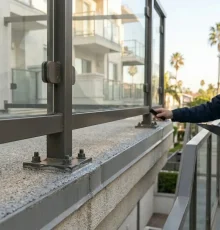
The inspection scope includes load-bearing components and associated waterproofing systems. The report addresses structural condition, water intrusion, safety status, and repair needs.
What inspection report must the buyer receive?
The buyer must receive the report from the most recent Civil Code §5551 inspection in the resale disclosure package. SB 410 adds that specific report to the required HOA disclosure set. The rule applies during condominium sales.
The report flows from the inspector to the HOA board. The HOA then provides the report to the seller on request. The seller later delivers the report to the prospective purchaser during the resale disclosure process.
What information must an SB 410 disclosure report contain?
The SB 410 disclosure report states inspection findings, present condition, immediate-threat status, expected performance, remaining useful life, and repair recommendations. The first-page summary also includes project counts and sample certification. The summary also lists immediate-threat totals.
The report summary includes the date of inspection, total units in the project, total units with exterior elevated elements, total exterior elevated elements, total inspected elements, immediate-threat element counts, impacted unit counts, and certification that a statistically significant sample was evaluated.
The standardized first-page fields help HOA boards maintain SB 410 mandatory disclosure standards for prospective purchasers and lenders.
The statistically significant sample standard uses 95% confidence and a margin of error of ±5% or less.
Who performs the inspections behind SB 410 disclosures?
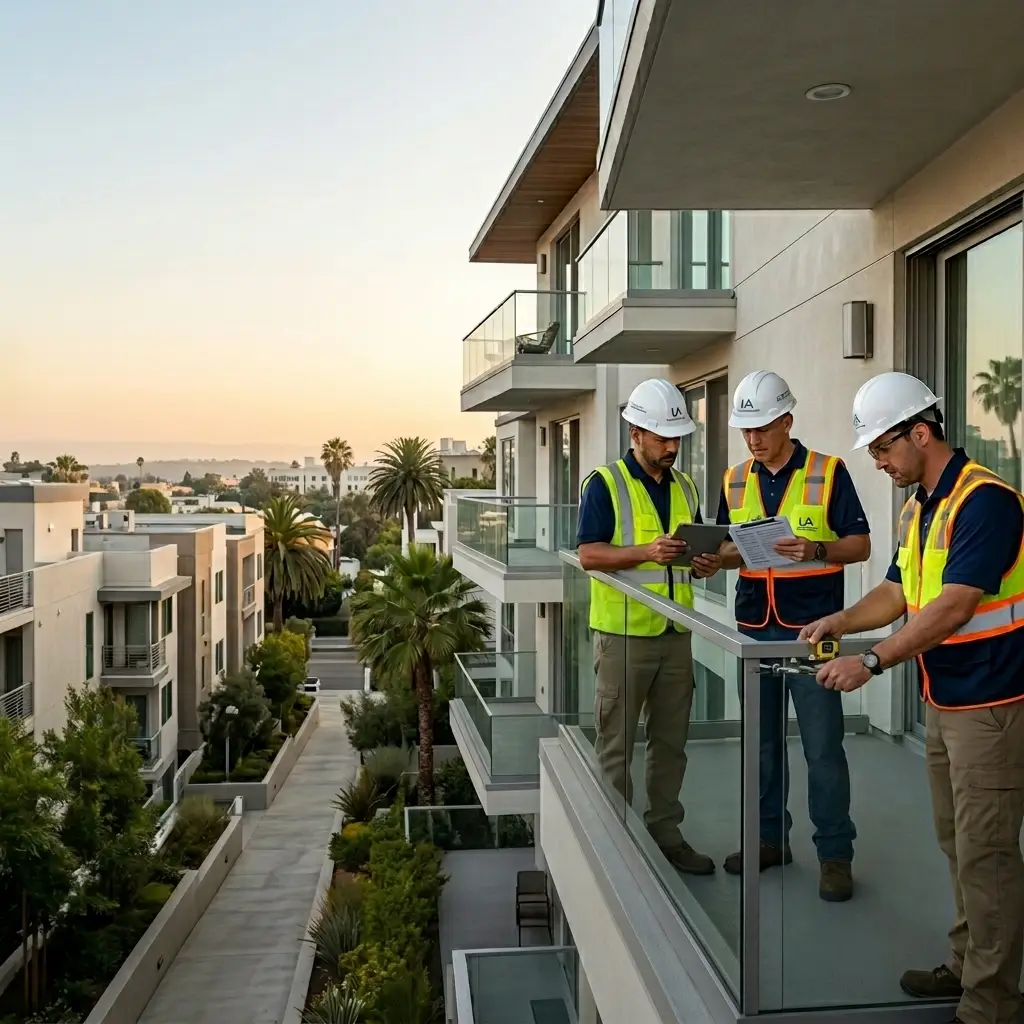
Licensed structural engineers, licensed civil engineers, and architects perform the Civil Code §5551 inspections behind SB 410 disclosures. The inspection follows a visual method. The inspection also uses a random statistically significant sample.
The inspection uses the least intrusive method unless visual observations justify further inspection. Licensed structural engineers use specialized forensic tools to evaluate concealed framing via borescope testing when visual signs of water intrusion exist. The HOA board causes the inspection to occur at the statutory interval.
When must the seller deliver the SB 410 disclosure report?
The seller must deliver the most recent §5551 report as soon as practicable before title transfer or contract execution. Civil Code §4525 governs that delivery timing. The rule places the report inside the ordinary resale disclosure package.
Escrow timing places the balcony inspection report inside buyer due diligence rather than after closing.
How does SB 410 relate to SB 326 and SB 721?
SB 326 creates the HOA inspection duty, SB 410 adds disclosure duties, and SB 721 governs a separate apartment inspection system. Each statute serves a different property context. Each statute also serves a different legal function.
SB 326 creates inspection duty for HOA and condo projects. SB 410 creates disclosure and record-access duty for HOA and condo resale transactions. SB 721 remains a separate inspection regime tied to apartment and rental-property settings.
SB 326 establishes the foundational mandate for associations that must verify SB 326 HOA inspection rules to remain compliant with the Davis-Stirling Act.
What happens if the inspection finds an immediate threat to health and safety?
An immediate-threat finding triggers immediate delivery of the report to the association and notice to code enforcement within 15 days. The association must immediately block occupant access. Repairs must then be inspected and approved before reentry.
The immediate-threat rule turns the report into both a disclosure document and an active hazard-response document.
Why do SB 410 disclosures matter in condo sales?
SB 410 disclosures matter because buyers receive direct evidence about structural condition, repair exposure, and transaction risk before closing. The report improves transparency during escrow. The report also helps lender review and buyer due diligence.
Missing reports or incomplete inspections create stalled transactions, disclosure gaps, and buyer uncertainty. Property managers request a licensed structural safety inspection quote to secure a valid report before transactions enter the escrow phase.
How do association records change under SB 410?
SB 410 makes Civil Code §5551 inspection reports part of association records and requires retention for two inspection cycles. Members gain inspection and copying rights over those records. The rule expands transparency across future transactions and compliance reviews.
Legislative recordkeeping changes extend transparency beyond an individual sale. HOA boards evaluate forensic engineering expertise by reviwing California SB 721 and SB 326 project success stories before authorizing new structural assessments.
What are the most important compliance facts to know about SB 410?
SB 410 takes effect on January 1, 2026, requires disclosure of the most recent §5551 report, and preserves the nine-year inspection cycle. The law amends Civil Code §§4525, 4528, 5200, 5210, and 5551. The law also converts the report into an association record.
Key facts: Effective resale context: January 1, 2026. Core disclosure object: most recent §5551 inspection report. Core buyer-delivery rule: Civil Code §4525 package timing. Recordkeeping rule: the report becomes an association record. Retention rule: two inspection cycles. Inspection cadence: at least once every nine years.
What questions do buyers, sellers, and HOAs usually ask about SB 410?
Most SB 410 search intent centers on disclosure scope, delivery timing, qualifying structures, statute comparisons, and transaction risk. Buyers want direct answers on financing and repair exposure. Sellers and HOAs also need clear timing and records guidance.
Compliance Deadlines
Stay ahead of California's statutory inspection requirements.
The initial deadline has passed. HOA properties that have not completed their first inspection are currently out of compliance.
Extended by AB 2579. Qualifying multifamily apartments must complete their first safety inspection by this new date.
About us
Why Los Angeles Trusts Our Team.
Local Expertise
Deep understanding of Los Angeles building codes and LAHD reporting requirements.
Fast Turnaround
We deliver comprehensive, signed reports within 45 days of inspection completion.
Transparent Pricing
No hidden fees. We provide clear, upfront quotes based on your specific property needs.
376+ Projects
Licensed & ISO Certified
Experienced Team
Authorized Inspectors
Inspector eligibility depends on the governing statute.
| Inspector Category | SB 721 (Apartments) | SB 326 (HOAs) |
|---|---|---|
| Licensed Architects | ✓ | ✓ |
| Licensed Civil Engineers | ✓ | ✓ |
| Licensed Structural Engineers | ✓ | ✓ |
| Qualifying Contractors (A, B, C-5) | ✓ | — |
| Certified Building Inspectors | ✓ | — |
*SB 326 inspector qualifications are stricter, limited primarily to licensed design professionals. AB 2114 added civil engineers to the HOA pool.
Reporting & Repair Obligations
Statutory requirements for documentation and corrective actions.
Written Reports
SB 721 requires a written report within 45 days of inspection. SB 326 reports must be retained for two inspection cycles.
Urgent Escalation
Immediate safety threats require urgent-condition notice to the owner and enforcement agency. Emergency conditions demand immediate action.
Repair Deadlines
For SB 721, permit applications for non-emergency repairs must be submitted within 120 days of identifying defects.